West Virginia yards
Yard conditions across West Virginia span hardiness zones 5b to 7a and yearly precipitation of 35.19 to 63.16 in.12 Use your own city’s page below to plan your front yard or backyard around local conditions.
West Virginia at a glance
Some West Virginia natives
- Northern maidenhair fernAdiantum pedatumNative to West Virginia
- Ebony spleenwortAsplenium platyneuronNative to West Virginia
- Maidenhair spleenwortAsplenium trichomanesNative to West Virginia
- Rattlesnake fernBotrychium virginianumNative to West Virginia
- American bellflower, tall bellflowerCampanulastrum americanumNative to West Virginia
- Pale lobeliaLobelia spicataNative to West Virginia
Do not plant
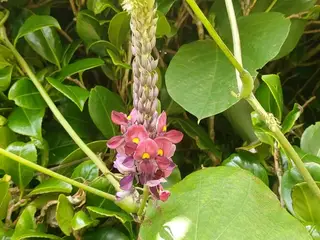 KudzuPueraria montanaInvasive in West Virginia
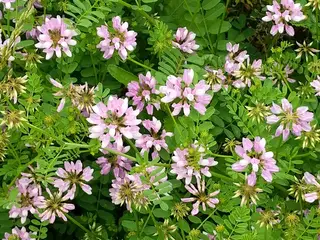 Crown vetchCoronilla variaInvasive in West Virginia
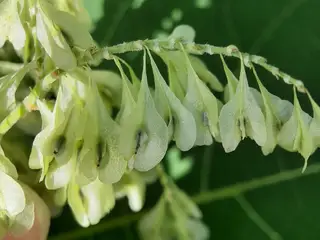 Japanese knotweedPolygonum cuspidatumInvasive in West Virginia
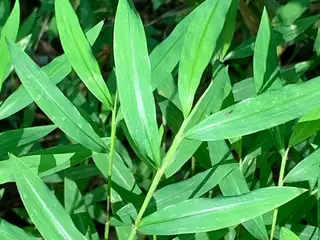 Japanese stiltgrassMicrostegium vimineumInvasive in West Virginia
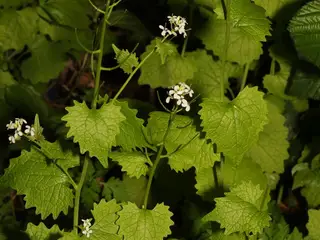 Garlic mustardAlliaria petiolataInvasive in West Virginia
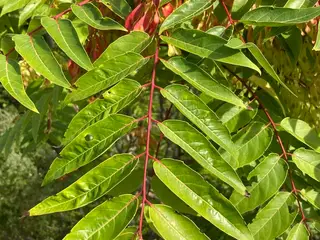 Tree-of-heavenAilanthus altissimaInvasive in West Virginia
Plants for this state
See your yard in a cottage-garden style
Upload a photo of your yard in West Virginia; add your ZIP code for a plant list.
Sources (5)
- 2023 USDA Plant Hardiness Zone Map, ZIP code tables, PRISM Climate Group, Oregon State University, retrieved 2026-11-17
- NOAA NCEI U.S. Climate Normals 1991-2020, retrieved 2026-11-17
- US Census Bureau, Vintage 2025 population estimates, retrieved 2026-11-16
- West Virginia | Roadside Use of Native Plants | Ecosystem and Vegetation System Management | Environmental Review Toolkit | FHWA, retrieved 2026-11-17
20 of 20 proposed plants named on the page; 16 recorded as native to the state by WCVP (Kew)
- Top Invasive Plants - WVDNR, retrieved 2026-11-17
11 of 11 proposed plants named on the page
Plant photos (6)
- Kudzu (Pueraria montana): photo by Elizabete Marchante, iNaturalist, CC BY 4.0
- Crown vetch (Coronilla varia): photo by Matt Schultz, iNaturalist, CC0
- Japanese knotweed (Polygonum cuspidatum): photo by Tyler Ekholm, iNaturalist, CC BY 4.0
- Japanese stiltgrass (Microstegium vimineum): photo by Jeffrey A Ewick, iNaturalist, CC0
- Garlic mustard (Alliaria petiolata): photo by Stephen James McWilliam, iNaturalist, CC0
- Tree-of-heaven (Ailanthus altissima): photo by Chris Merck, iNaturalist, CC0